environmental issues

Attention All Gardeners and Homeowners: Beware of Jumping Worms!

alt tag
If you are a local homeowner with some amount of land that you take pride in maintaining (or paying someone to maintain), this article will be of interest to you. As I take stock of my own yard, preparing my beds for the dormant season, hiring someone to prune certain shrubs and trees, and wondering how to manage all of the leaves (turn
[...]

News Updates from Stowe Farm Community in Colrain, MA!

alt tag

Hello Readers. We are excited to share with you some updates from our new(ish) land listings at Stowe Farm Community in beautiful Colrain, MA! This unique intentional community has something for everyone! Read on, and reach out if you have questions. Link at end of blog post. In the meanwhile, stay healthy and wear your [...]

Green Cleaning Your Home

alt tag

I've always thought it interesting that even once I had graduated from college, I was still attuned to the school calendar, combined with the seasons, in informing my perspective on the day to day. For those of us with school-aged children -- having the house back to ourselves when the kids are off certainly has it's benefits. For those of us who don't, even the change of season leads us to start focusing more on the interior vs. exterior of our homes, I would venture to say. Homeowners (and residents alike) in Northampton who prefer to use clean, green, non-toxic products in our homes are in good company! To that end, I was recently perusing my daily Apartment Therapy email and came upon this article about cleaning your washer with vinegar. Let's not focus on the fact that I am at a point in my life where this information is EXCITING to me! Instead, let me say that I followed the steps below and my Energy Star, front-loading workhorse of a washing machine was gleaming and odor free after doing so. The moral of the story is, keep a large container of white vinegar, and some clean household rags on each floor of your home to keep things clean and sparkly!

You Should Pour Vinegar into Your Washing Machine—Here’s Why

by DANA MCMAHAN

(Image Credit: Brittany Purlee)

Is there anything you can’t handle with vinegar? Really, I wonder why I bother buying so many assorted cleaners when vinegar is basically the magic sauce that does everything. (Have you tried the trick with setting a saucer full of vinegar out to get rid of stink in a room? It totally works!) Here’s another fun thing is does: It cleans your washing machine.

Yes, your washing machine needs cleaning. Out of sight, out of mind, maybe, and it’s getting cleaned every time you use it, right? Well, no. Just like your sink and shower need cleaning, so too does the hard-working washing machine. 

And it turns out you don’t need any fancy, special “washing machine cleaner” (seriously, that’s up there with an avocado slicer as a uni-tasker). My Maytag wants me to use a branded products so badly it slaps the brand name of the recommended cleaner right on the dial! The cleaner is two bucks a pop (not a box, each!). No thanks. According to the internet, all you need is good ol’ vinegar. 

But just because you read something on the internet doesn’t mean it’s true, so I checked with an expert. And Ron Shimek, president of Mr. Appliance, a Neighborly company, gave me the lowdown. 

“It might seem counter-intuitive to have to clean a machine that does the cleaning, but over time soap scum and detergent buildup can start causing problems,” he says. “Your washing machine—and your clothing—will benefit from a periodic cleaning.”

So why should vinegar be your go-to? Well for starters, we all probably have a jug of it in the kitchen anyway. And “instead of using a bunch of harsh chemicals to force your washing machine into cleanliness, vinegar is recommended as a more natural and inexpensive way to clean your appliances,” Shimek said. 

Here’s his step-by-step guide to cleaning your washer with vinegar. 

First, spray vinegar around the rubber gasket and use a rag or toothbrush to remove soap scum, mildew, and detergent buildup. Make sure to scrub all the nooks and crannies, and take out and soak any removable parts such as soap and fabric softener dispensers. 

Next, start an empty wash cycle using the largest load size and hottest water. Add two cups of white vinegar and let the cycle run. (If you have a front load washer, pour the vinegar into the detergent dispenser.) For an extra-clean washing machine, repeat the cycle with a half-cup of baking soda. You’ll also need to hand-wash the top portion of the agitator and basin above the water line.

Finally, spray the front or top with vinegar and wipe it down. 

Confession: I only did the second step, and my very heavily used washing machine (you do a LOT of laundry when you run a full time Airbnb) looked brand new and shiny inside when the wash cycle finished, so I didn’t do the rest. But when I’m in a real cleaning fever kind of mood, I’ll come back to it. Shimek said this is something you should do every six months to keep things clean and running smoothly, which is totally manageable.

33 Ways To Save Energy in your Home!

As we head into this holiday weekend, the last hurrah before summer ends (although, since Northampton area public schools started this past Thursday, to those of us with school-aged children, it feels as if summer is already over!) we thought we'd share the following link from Apartment Therapy. Since selling houses is what we do, we like to send out occasional reminders about how to save energy in your households, and make better choices for the environment as well. We hope you enjoy the link, and maybe learn a trick or two!

33 Small, Mindful Home Habits That'll Save You Money in the Long Run

 
(Image credit: Esteban Cortez)
 
Little money-saving habits don't ever feel like they're doing much in the moment, but in the long run they can add up to significant savings. And, no, we're not talking about the same well-worn advice to brew your own coffee or bring your lunch to work. These are at-home habits, most of which involve a minor change in your routine and might only take a few seconds each.
 

Small habits that cost us money—or save us money, as the case may be—add up to pennies earned that compound day after day, month after month, year after to year into significant dollars.

Here are some money-saving habits to put into practice around the house. If you're not doing these yet, you should be:

How to Save on Air Conditioning Costs

  1. Turn off the lights when you leave the room. 
  2. Use ceiling fans to help cool rooms. 
  3. Set the thermostat a few degrees higher to shave money off your bill. 
  4. Close blinds and curtains to keep the sun out of rooms during the day to help keep temperatures inside cool. 
  5. Don't leave outside doors open when the A/C is running. 
  6. Try to put off heat-generating activities to the evening hours, when outdoor temperatures are cooler. This includes cooking on the stove (make salads or use the grill outside when it's hot out), running the dryer, etc. 
  7. Properly maintain your HVAC unit so it runs efficiently. 
  8. Change filters according to the season, usage, and the manufacturer's recommended timetable. 
  9. Switch to CFL bulbs, which generate significantly less heat. 
  10. Get a programmable thermostat (or better yet, a smart one) if you don't have one and set it to be a few degrees warmer when you're not home. 
(Image credit: Lauren Kolyn)

How to Save on Electricity

  1. Turn off lights when you leave the room. 
  2. Keep cooled or heated air in the house by remembering to close doors and seal gaps (such as with a door snake). 
  3. Dress for the weather. Especially when it's cold, put on a sweater or use a blanket before you crank up the heat. 
  4. Choose energy efficient appliances when you're buying new ones. 
  5. Choose the cold water wash on your laundry whenever possible. 
  6. Air dry clothes whenever you can. 
  7. Unplug "energy vampires," items that are plugged in even when you're not using them. These include phone chargers, computers, and countertop appliances like the coffee maker or stand mixer. 
  8. Check your utility company for special rates. For example, some companies offer discounts for energy consumption that occurs during "off-peak" hours. 
  9. If you like to run your refrigerator cool, consider adjusting your fridge and freezer temperatures up to 40 and 0 degrees respectively, the top temperatures recommended by the FDA.
  10. Never forget to clean the lint trap in the dryer so that it can run most efficiently. 
  11. Try the air-dry rather than the heat-dry setting on your dishwasher. 
  12. Use a toaster oven rather than your full-size oven whenever possible. 
  13. Stop opening your oven to check on your cooking food; turn on the oven light and peek through the window instead. 
  14. Lower the temperature on your water heater to 120 degrees (it's safer, too). (This applies to electric water heaters, but for gas water heaters, lowering the temperature will also save money.) 
  15. Never run the dishwasher, washing machine, or dryer unless they're at capacity.
 
(Image credit: Hayley Kessner)

How to Save Money on Your Water Bill

  1. Fix leaky faucets. And toilets. (Try the food coloring trick!) 
  2. Stop pre-rinsing your dishes before you put them in the dishwasher. 
  3. Take shorter showers. Try a shower timer.
  4. Replace your shower heads with low flow ones. 
  5. Turn off the water while you are brushing your teeth, washing dishes, or soaping up in the shower. 
  6. Use water from washing produce or boiling pasta to water plants. You could also collect water while you shower to water plants with. 
  7. Collect rain water for watering plants. (Your plants will love it!)
  8. Look for special rates with your water provider. Like with electricity, some off-peak times of the day have lower usage rates. Check to see if your utility company offers a water discount during these times and run your appliances and take showers within these parameters, when possible. 


Apartment Therapy supports our readers with carefully chosen product recommendations to improve life at home. You support us through our independently chosen links, many of which earn us a commission.
 

Thinking Ahead - Landscape Design and Climate Change

alt tag

During the summer, Northampton area residents are often banned from watering their lawns between 9 am and 5 pm due to drought conditions. The recent/current rains were much needed. I'm happy not to be spending countless hours watering my lawn in the sweltering heat. But it is also noticeably still humid and hot, despite the rains we have

[...]

The Benefits of Adding Solar Power to Your Home

alt tag

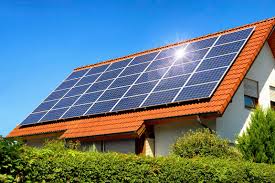
In our development in Florence, MA, just 2.5 miles from downtown Northampton, MA, it seems that solar panels are going up on yet another neighbor's home on a weekly basis. We started the process of interviewing local solar providers last year, but had to put the project on hold for a variety of reasons. Now we are ready to open this can of worms once again. Luckily, our neighbors have done a lot of research, which they are happy to share. The following article from Apartment Therapy does a nice job of explaining the costs and benefits associated with installing solar panels on ones' home. The good news is that buyers do seem to be willing to pay more for solar power - so you needn't stay in your home long enough to see a direct return on investment. 

Can Solar Power Pay Off? One Homeowner Crunches Real Numbers
By Julie Sprankles 

Aside from the obvious benefit of helping the planet, solar power can be pretty enticing to homeowners who are tired of paying an arm and a leg for their electric bill every month. Given that outfitting a home with solar panels comes with considerable costs upfront, though, is doing so practical from a financial standpoint? Can solar power in fact pay off?

For starters, it's worth noting that the benefits—as well as costs—of installing solar (also called photovoltaic) power systems will vary from house to house. This makes sense, right? Your house might be much larger than my house. My house may be in an area where solar power is more readily available and therefore more affordable. The variables go on and on.

In general, however, there are a few universal benefits of installing solar power: it lowers your electric bill, minimizes your carbon footprint and, depending on where you live, it can even bump up your home value.

On the flip side, you'll need to drop a pretty penny upfront in order to buy the equipment and pay for the installation. The big question, of course, is whether the potential savings will outweigh those upfront expenditures—or, more pointedly, whether you'll actually be able to save money (or make money, if the value of your house goes up considerably) should you invest in solar power.

How much does solar power cost to install?

Let's talk numbers, shall we? A solar power system for an average-sized house in the U.S. can run anywhere from $15,000 to $40,000. If those figures give you a serious case of sticker shock, don't fret just yet—many companies allow you to "lease" the equipment, which dramatically reduces your upfront costs. But should you decide to purchase outright, you may qualify for government incentives that cut the cost of the system. In all 50 states, installing a solar power system qualifies the homeowner for the Residential Renewable Energy Tax Credit. This tax incentive allows you to claim a credit of 30 percent of qualified expenditures for your system and, most importantly, helps to shave down the time it would take for your savings to equal out or exceed your initial investment.

If you're the type that likes online calculators, you'll be particularly happy to learn that Google has come up with a handy little number-cruncher to give you an approximation of the costs and savings you can expect with solar in your own home. Called Project Sunroof, the tool relies on high-resolution aerial mapping to calculate your specific roof's solar energy potential. According to Google engineer Carl Elkin, the site "figures out how much sunlight hits your rooftop through the year, taking into account factors like roof orientation, shade from trees and nearby buildings, and local weather patterns."

Technology... crazy, huh?

When I plug my home's address into Project Sunroof, it spits out an aerial thermal image of my street that is, if we're being honest, pretty damn impressive in its detail. The fact that my roof is glowing bright yellow clues me into the fact that sunlight is aplenty, but the site spells it out for me, too.

By their estimate, my roof receives 1,606 hours of usable sunlight per year. Based on 3D modeling of my roof and nearby trees, the site figures I have 564 square feet of roof available to be outfitted with solar panels—and they recommend an 8-kilowatt system, which would cover 40 percent of our household electricity usage.

What does all of this mean for my bottom line and, theoretically, yours? That, yes, a solar power system can pay off.

With the system covering around 40 percent of my household electricity usage, my 20-year benefits of utilizing the system would total $37,000. If the upfront cost of a system after tax incentives amounts to $17,000 and we deduct that from the benefits, the 20-year savings comes out to $20,000. In other words, it would take nine years to pay back that initial investment.

You may be thinking, "Yeah, but this only pays off if I actually stay in the home for nine years." In which case you may be relieved to learn that research conducted by the Department of Energy in 2015 showed that buyers are happy to pay more for homes with solar power systems.

The study, which was cited by The New York Times, revealed that buyers were willing to pay a premium of $15,000 for a home with a solar power system, compared to a similar home without one. The only caveat is that these findings apply to systems that are owned, not leased.

So although there's no hard-and-fast rule for whether or not solar power systems will pay off in every unique situation, they can certainly save you money immediately on your electrical bill whether you buy or lease. And if you have the capital to make the full investment upfront, you could be looking at paying off the system in less than a decade and enjoying sizable savings and a big ROI in the long-term.

Time For an Energy Assessment for Your Home!

alt tag

Any time of the year is a great time to think about how to save energy, but the crisp night air of autumn is an especially good reminder to get the house ready for winter.

But before going to the hardware store to buy all the products needed to fill in all those drafty areas around windows and doors, you might want to consider bringing an [...]

1-10 of 13 Posts