Julie Starr

Aging in Place, with Local Assistance!

Neighborhood Group

Any realtor can tell you, whenever a spiffy, well-built and/or well-sited single-floor home ("ranch") comes on the market in the Pioneer Valley - there is a mad dash of buyers eager to look at it, and, potentially, make an offer to buy it. There is a growing awareness in our part of the country, at least, about the benefits of aging in place. Some homeowners may choose to renovate their spaces to allow them to do so. We also see buyers who choose downsize from larger homes, transitioning into a smaller or single-floor homes.

One concern for aging homeowners is how to remain independent, when certain activities or household responsibilities become more challenging with age. We've recently learned about a wonderful new volunteer organization in the Northampton Area. Northampton Neighbors is a nonprofit organization that provides volunteer services and programs to empower seniors to live independent, engaged lives at home. So, whether you are in personally need of their services, you know someone who is, or you wish to volunteer or donate to this important cause - check out the hotlink above to learn more.

Neighborhood Group

Natural Drain Cleaner, Yup!

alt tag

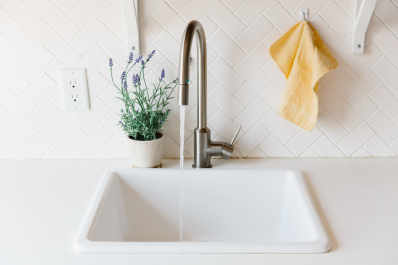
Let's face it, we all have recurring themes of disagreement that arise when living in the same household with other people. For example, clogged drains have lead to repeated domestic arguments in my own household. I am impulsive, and I want the problem (any problem) addressed immediately. My partner is slow and methodical, and he needs to take his time when responding to problems. My impulsivity leads me to want to reach for the Drano, in the face of a clogged drain, and nip the problem in the bud. My partner historically puts his foot down (firmly) in response to this solution. And, in this case, I have learned that he is correct. The chemicals in liquid drain cleaners can eat away at one's pipes, and cause long term damage. Not to mention the fact that they are dangerous and toxic, and just not a good thing to leave lying around one's home. At this point, to be honest, I almost always reach for the white vinegar when it comes times to clean most anything in my house. As I was perusing Apartment Therapy this morning - which I tend to do on a regular basis, I came across this recipe for how to make non-toxic drain cleaner. I think that all home owners should bookmark this page and remember to use it the next time your pipes get clogged. Happy Housekeeping!

 You Should Know How to Make Your Own Drain Cleaner

Ayn-Monique Klahre

Sep 30, 2018

Dead skin cells, soap scum, random food scraps, human hair, pet hair, and just regular ol' dirt—these are all the things you regularly wash down your sink or tub's drain. And if they sound gross now, image how much worse they are once they've congealed into a stringy, slimy ball of gunk inside your pipes. Yuck!


You want to prevent any of this gunk buildup before it becomes a real problem—especially in homes with older pipes or large families. The first sign of a growing clog? A gray ring around your tub or sink from the water sloooooowlydraining, giving soap bubbles ample time to attach and dry to that formerly clean porcelain. Another sign is water pooling around the drain. If you can actually see the slow drainage, it's time to act!

There are strong chemical cleaners designed to tackle truly clogged drains (and boy, do they smell like they're working!), but for prevention and regular maintenance, a DIY unclogger (a professional term!) will do. This method combines a couple products—with surprising cleaning powers—that you already have in your cabinets.


1/5 Run the hot water: Turn your sink or shower on at full-blast hot and run it for a few minutes, then allow it to drain. If your water doesn't get super hot (which it might not, because the EPA recommends you keep it at 120 degrees for both energy efficiency and safety), boil a big pot of water on the stove, then pour it down the drain. Wait for the water to drain; this is the first step in loosening the gunk.
Image credit: Christine Han

How To Make Your Own Drain Cleaner

Ingredients

  • Boiling-hot water
  • Baking soda (about a cup)
  • Fresh-squeezed lemon juice (about a cup)

Equipment

  • Spoon or funnel (optional)
  • Tub stopper or rag
 

Instructions

  1. Run the hot water: Turn your sink or shower on at full-blast hot and run it for a few minutes, then allow it to drain. If your water doesn't get super hot (which it might not, because the EPA recommends you keep it at 120 degrees for both energy efficiency and safety), boil a big pot of water on the stove, then pour it down the drain. Wait for the water to drain; this is the first step in loosening the gunk.
  2. Pour in the baking soda: Slowly send about a cup of baking soda down the drain, using a spoon or funnel as necessary. Do it little by little so it's not all jammed at the top of the drain.
  3. Add the lemon juice: Slowly pour the lemon juice on top of the baking soda. Brace yourself for some action: This will cause a fizzy, bubbly chemical reaction. 
  4. Cover and wait: Use your tub stopper or a rag to cover the drain, and wait. Give the mixture enough time to work, about a half hour, and keep it covered the whole time. 
  5. Run water again: Uncover the drain and send piping-hot water down it (again, either from the faucet or heated on the stovetop), letting it run for a few minutes. Wait for it all to drain. Is it draining faster than before? If not…
  6. Repeat as necessary: If your drain is super clogged, it may take a few rounds before it clears up. But with proper maintenance (repeat this process two to four times a year, depending on your household) you can prevent those big clogs from building up again.


What NOT To Do When Decluttering!

I'm amazed that no matter how big the space is in which we live, we always manage to fill it with stuff! Even though we are conscientious about waste and trying not to consume too much stuff - we manage to acquire a LOT!. Also - because we are conscientious about how we dispose of every item that leaves our house (reduce, reuse, recycle), getting rid of things is often a multi-step process. Rinse or clean out containers before disposal or recycling, keep TO GO bins or boxes in anticipation of upcoming recycling events (electronics, plastics, etc), compost everything biodegradable, etc, etc.

I love reading articles such as the following one from Apartment Therapy, with smart and helpful tips about how to approach decluttering one's home. As realtors, we are always advising seller clients to "declutter" in order to ready a property for sale. It's good to have to go-to PRO tips on hand to share with clients about how to approach a decluttering project.

Pro Organizer Tips: What NOT To Do When Decluttering Your Home

Catrin Morris Sep 14, 201

(Image credit: Lauren Kolyn)
 

Do you need the help of an organizing professional...without the professional price? We asked Washington DC's organizing and de-cluttering guru Nicole Anzia of Neatnik for some words of organizing wisdom. Instead of giving us additional organizing and decluttering tips and strategies, Nicole though it would most helpful to tell us what NOT to do when trying to harness the chaos in your home.Nicole says these five missteps are the most common in her line of work — and most likely to derail even the best efforts to conquer clutter:

Organize First; Buy Second

Do not go out and buy a ton of storage pieces and supplies before you sort through your home. All of those pretty bins, boxes and baskets at The Container Store are very enticing, but they won't do you any good unless they fit the space (on the shelf, under the bed, in the closet); hold what you need them to hold, and function properly for your particular space.

I recommend cleaning out first, assessing what containers you REALLY need, and then buying a few bins to start. You can always add later, but you don't want a bunch of empty containers cluttering up your home while you figure out where you might use them.


Don't Bite Off More Than You Can Che

Do not set aside an ENTIRE day to organize your WHOLE house. Very few people have the energy and/or focus to spend 8 hours organizing. You'll likely become frustrated and less efficient as the day progresses. It's much better to spend a few hours — 2 or 3 — on one project or space. This way you'll feel motivated to do more, not be burned out by the process
(Image credit: Kim Lucian)

Complete Each Task — Completely

Of course you will need to sort things into categories (e.g., toss, recycle, donate, give to friend, put in deep storage). But here's the crucial part: Once you have decided where something is going to go — take it there. Never keep bags for charity or boxes for friends in your home to deliver later. Do it now. Finish the process. Take the bags and boxes out to the trash or recycling immediately. If you're donating something or giving something to a friend or family member, put the items in your car or make arrangements for dropping them off. You've done so much work getting this stuff ready to take out, complete the deal!

Rome Wasn't Built In A Day

Do not think that once you've organized your space, that you are done. You'll feel like a failure when you have to clean it up again in a month. Realize that while you have created a new, efficient, and logical system for processing and managing incoming and outgoing items, you are not done. There is no autopilot. You should expect regular upkeep, but just be glad that the new system is far more efficient than the old one.

Good Enough is Enough

Very few people have closets and drawers that resemble those in catalogues. Trust me. I've been in a lot of houses and apartments and even after we've totally reorganized a space, it doesn't look like an ad for The Container Store. It looks great and works properly, but it is a space that is used by an actual human being, not one that has been carefully staged by a team of stylists and marketers for a non-existent resident. You will ultimately be disappointed if perfection is your goal. The goal is to set up a space that works well for your needs. That is success.

- Re-edited from a post originally published 8.5.2014 - CM

33 Ways To Save Energy in your Home!

As we head into this holiday weekend, the last hurrah before summer ends (although, since Northampton area public schools started this past Thursday, to those of us with school-aged children, it feels as if summer is already over!) we thought we'd share the following link from Apartment Therapy. Since selling houses is what we do, we like to send out occasional reminders about how to save energy in your households, and make better choices for the environment as well. We hope you enjoy the link, and maybe learn a trick or two!

33 Small, Mindful Home Habits That'll Save You Money in the Long Run

 
(Image credit: Esteban Cortez)
 
Little money-saving habits don't ever feel like they're doing much in the moment, but in the long run they can add up to significant savings. And, no, we're not talking about the same well-worn advice to brew your own coffee or bring your lunch to work. These are at-home habits, most of which involve a minor change in your routine and might only take a few seconds each.
 

Small habits that cost us money—or save us money, as the case may be—add up to pennies earned that compound day after day, month after month, year after to year into significant dollars.

Here are some money-saving habits to put into practice around the house. If you're not doing these yet, you should be:

How to Save on Air Conditioning Costs

  1. Turn off the lights when you leave the room. 
  2. Use ceiling fans to help cool rooms. 
  3. Set the thermostat a few degrees higher to shave money off your bill. 
  4. Close blinds and curtains to keep the sun out of rooms during the day to help keep temperatures inside cool. 
  5. Don't leave outside doors open when the A/C is running. 
  6. Try to put off heat-generating activities to the evening hours, when outdoor temperatures are cooler. This includes cooking on the stove (make salads or use the grill outside when it's hot out), running the dryer, etc. 
  7. Properly maintain your HVAC unit so it runs efficiently. 
  8. Change filters according to the season, usage, and the manufacturer's recommended timetable. 
  9. Switch to CFL bulbs, which generate significantly less heat. 
  10. Get a programmable thermostat (or better yet, a smart one) if you don't have one and set it to be a few degrees warmer when you're not home. 
(Image credit: Lauren Kolyn)

How to Save on Electricity

  1. Turn off lights when you leave the room. 
  2. Keep cooled or heated air in the house by remembering to close doors and seal gaps (such as with a door snake). 
  3. Dress for the weather. Especially when it's cold, put on a sweater or use a blanket before you crank up the heat. 
  4. Choose energy efficient appliances when you're buying new ones. 
  5. Choose the cold water wash on your laundry whenever possible. 
  6. Air dry clothes whenever you can. 
  7. Unplug "energy vampires," items that are plugged in even when you're not using them. These include phone chargers, computers, and countertop appliances like the coffee maker or stand mixer. 
  8. Check your utility company for special rates. For example, some companies offer discounts for energy consumption that occurs during "off-peak" hours. 
  9. If you like to run your refrigerator cool, consider adjusting your fridge and freezer temperatures up to 40 and 0 degrees respectively, the top temperatures recommended by the FDA.
  10. Never forget to clean the lint trap in the dryer so that it can run most efficiently. 
  11. Try the air-dry rather than the heat-dry setting on your dishwasher. 
  12. Use a toaster oven rather than your full-size oven whenever possible. 
  13. Stop opening your oven to check on your cooking food; turn on the oven light and peek through the window instead. 
  14. Lower the temperature on your water heater to 120 degrees (it's safer, too). (This applies to electric water heaters, but for gas water heaters, lowering the temperature will also save money.) 
  15. Never run the dishwasher, washing machine, or dryer unless they're at capacity.
 
(Image credit: Hayley Kessner)

How to Save Money on Your Water Bill

  1. Fix leaky faucets. And toilets. (Try the food coloring trick!) 
  2. Stop pre-rinsing your dishes before you put them in the dishwasher. 
  3. Take shorter showers. Try a shower timer.
  4. Replace your shower heads with low flow ones. 
  5. Turn off the water while you are brushing your teeth, washing dishes, or soaping up in the shower. 
  6. Use water from washing produce or boiling pasta to water plants. You could also collect water while you shower to water plants with. 
  7. Collect rain water for watering plants. (Your plants will love it!)
  8. Look for special rates with your water provider. Like with electricity, some off-peak times of the day have lower usage rates. Check to see if your utility company offers a water discount during these times and run your appliances and take showers within these parameters, when possible. 


Apartment Therapy supports our readers with carefully chosen product recommendations to improve life at home. You support us through our independently chosen links, many of which earn us a commission.
 

Walk the Walk, Talk the Talk

alt tag

As a relatively new rescue-dog owner, I can personally attest to the mental and physical health benefits of walking and hiking. There is not a season, or a day that goes by, wherein I don't have to take my energetic dog on a lengthy walk or hike. Since we adopted her, nearly 4 years ago, I have discovered numerous walking and hiking areas in [...]

Thinking Ahead - Landscape Design and Climate Change

alt tag

During the summer, Northampton area residents are often banned from watering their lawns between 9 am and 5 pm due to drought conditions. The recent/current rains were much needed. I'm happy not to be spending countless hours watering my lawn in the sweltering heat. But it is also noticeably still humid and hot, despite the rains we have

[...]

Repost: What to Do in the Garden in July

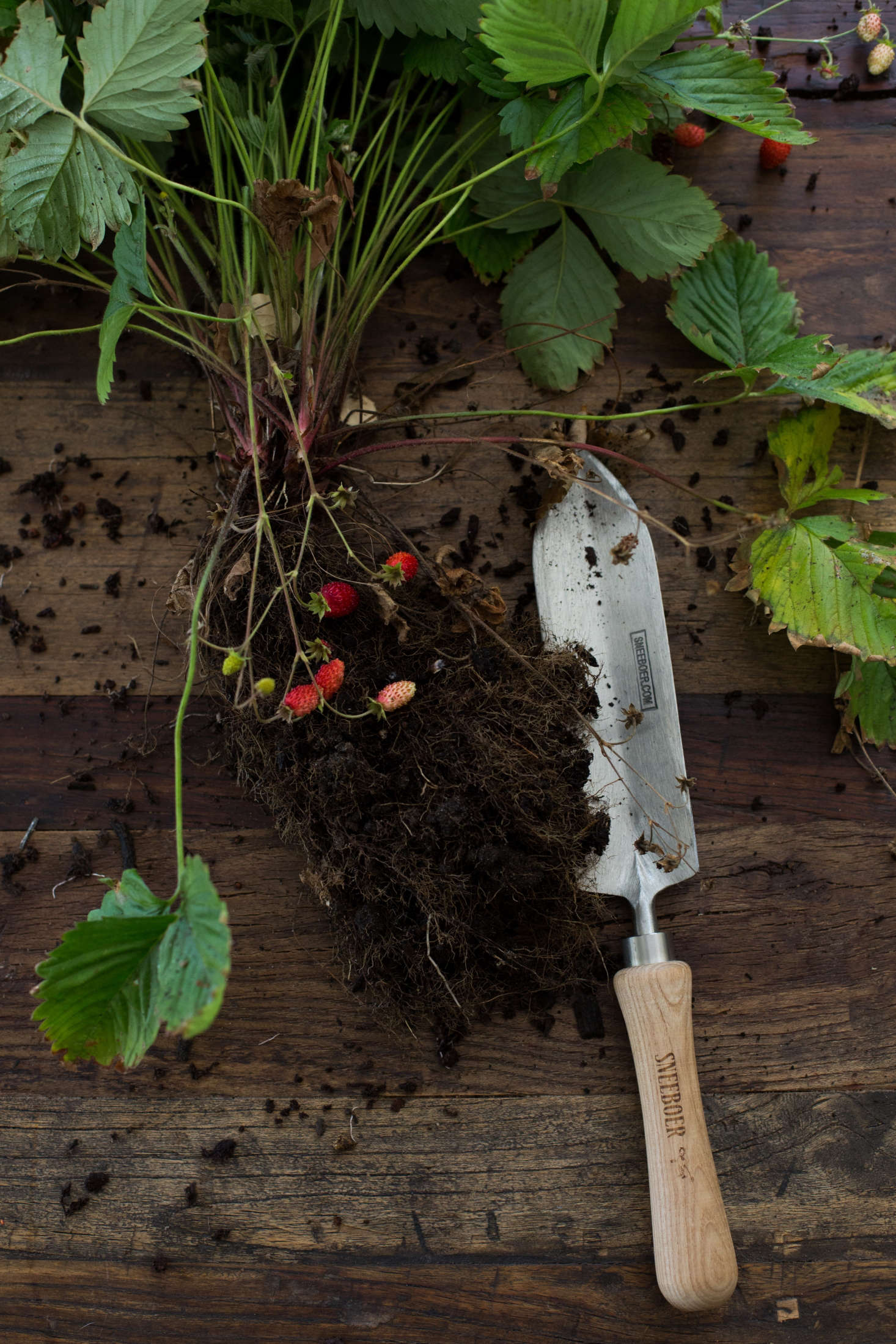
Choose the best weapon to renovate the strawberry patch: See Garden Tools: Which Trowel or Weeder is Best for You? Photograph by Mimi Giboin.

Summer is in full swing! The lush beauty and color of peonies, and the intoxicating smell of lilacs are starting to feel like a distant memory. Asparagus season in ("Hadley Grass") is behind us, and we are deep into summer squash, onions, lettuce, garlic scapes, watermelon and berries! When I look around my garden, I notice the second round

[...]

Great New Florence Listing, Abuts Fitzgerald Lake Conservation Area

Wonderful new Maple and Main Realty listing! 65 Morningside Drive in Florence, MA, off of Country Way is a little slice of heaven! This immaculate 4 bedroom, 4 bath contemporary home sits on a lush half acre lot with mature gardens, Ipe deck with built-in seating area, bar height table and a Goshen stone patio. Meticulously maintained and [...]

41-50 of 88 Posts